What is healthy light
2022-10-31
What is healthy light
Scientific research has found that light as one of the main driving forces of the circadian system of the human body, whether natural sunlight or artificial light source, will trigger a series of physiological rhythm responses. Light affects human health to varying degrees through visual and non-visual effects. Therefore, it is of great practical significance to advocate "healthy lighting" and improve light quality and comfort.
Alleged HEALTH ILLUME, PASS ILLUME NAMELY, IMPROVE AND RAISE THE CONDITION THAT PEOPLE WORKS, STUDY, LIFE AND QUALITY, PROMOTE PSYCHOLOGY AND PHYSIOLOGICAL HEALTH.
The solar spectrum is the healthiest spectrum. The solar spectrum mainly includes ultraviolet, visible and infrared spectra. Ultraviolet light has the effect of sterilization and disinfection. It can kill mites and other microorganisms or pathogens, promote the synthesis of vitamin D, prevent and treat rickets and cartilage, prevent osteoporosis in the elderly, have anti-inflammatory and analgesic effects, promote local blood circulation, regulate immunity and other effects; Infrared has a good therapeutic effect in human tissue metabolism, blood circulation, human immune function enhancement and so on. At the same time for muscle spasm, muscle strain, soft tissue injury, body tissue swelling has a therapeutic effect.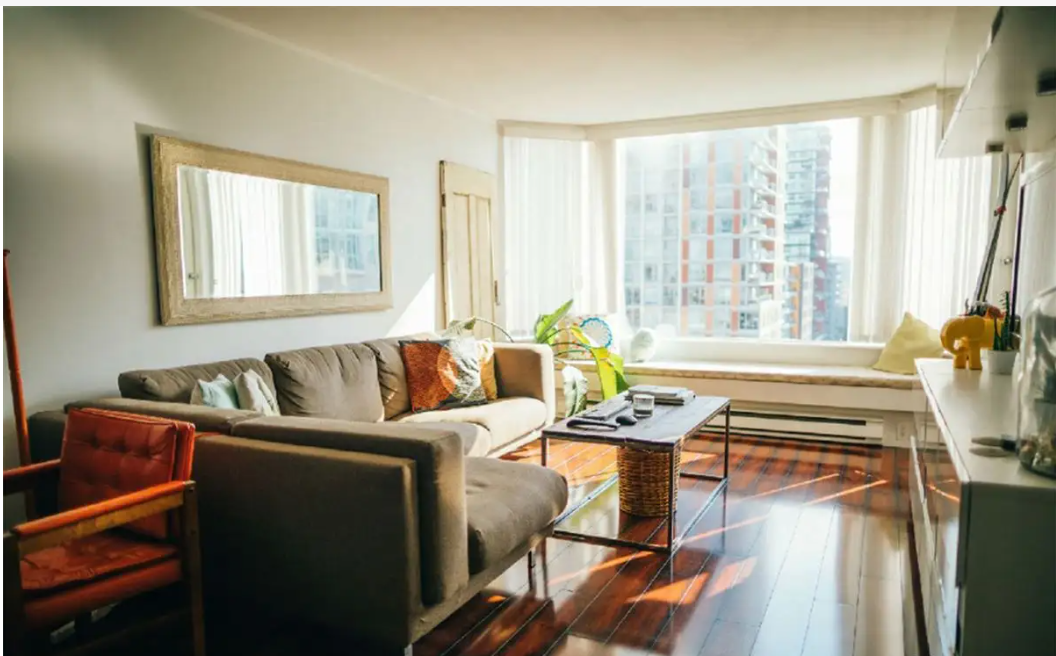
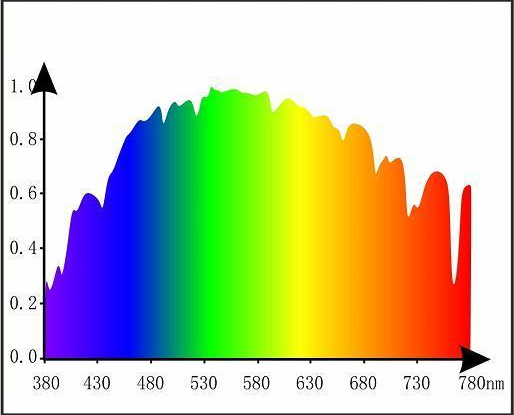
So-called HEALTHY ILLUMINATION BASICALLY IS TO POINT TO THE ARTIFICIAL LIGHT SOURCE SPECTRUM THAT IS USED FOR ILLUMINATION SHOULD BE AS CLOSE AS POSSIBLE TO THE SUN VISIBLE SPECTRUM (NAMELY IMITATE NATURAL LIGHT ILLUMINATION), ILLUMINATION MUST SATISFY THE FUNCTIONAL REQUIREMENT OF THE PLACE AND THE PSYCHOLOGICAL REQUIREMENT OF PEOPLE. It requires not only the comfort of lighting, but also the harmony of color temperature, brightness, light and shadow to meet people's psychological emotions. On the basis of high color rendering index, the relative energy of blue light (R12) is reduced to prevent the harm of blue light. Increase the relative energy of red light (R9) to promote physical and mental health.
Blu-ray problem
People generally attribute the reasons to two aspects, one is the children's homework pressure, excessive use of eyes; The other is spending too much time in front of gadgets like phones and tablets. Two factors cause eye fatigue in adolescents, resulting in decreased eye adjustment ability, and then induce eye diseases.
According to CIE's research report published in 2002 (CIE S 009/E:2012), blue light can cause photochemical damage to the retina, mainly concentrated in retinal pigment inner epidermal cells, and form arcs and blind spots on the retina. The reason the eye can see is because rods and cones are distributed in the retina. At the axial end of the retina, there is a place called the fovea, which is the most acute and cell-rich area of vision. It is yellow because it is rich in lutein. Normally, with age, macular foveal aging causes visual decline.
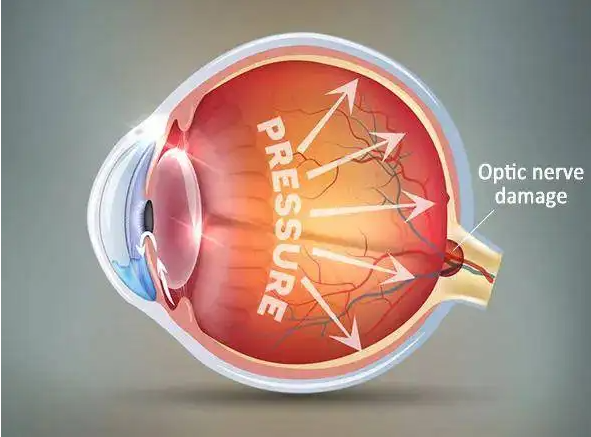
However, under long-term blue light irradiation, excessive blue light directly enters the retina and produces a large number of free radicals, which accelerates the oxidation of the macular concave, and eventually leads to the death of a large number of visual cells in the macular concave, and this damage cannot be repaired by itself.
In April 2018, the Institute for Global Health (ISGlobal) in Barcelona, Spain, reported that the more time spent in blue light at night, the more disrupted the body's rhythm, leading to an increased risk of breast and prostate cancer. The findings "assessed the association between night exposure to artificial lighting and the risk of breast and prostate cancer in Spain. It must be emphasized that any band of the spectrum as long as the excess is harmful.
Artificial light sources of choice for healthy lighting
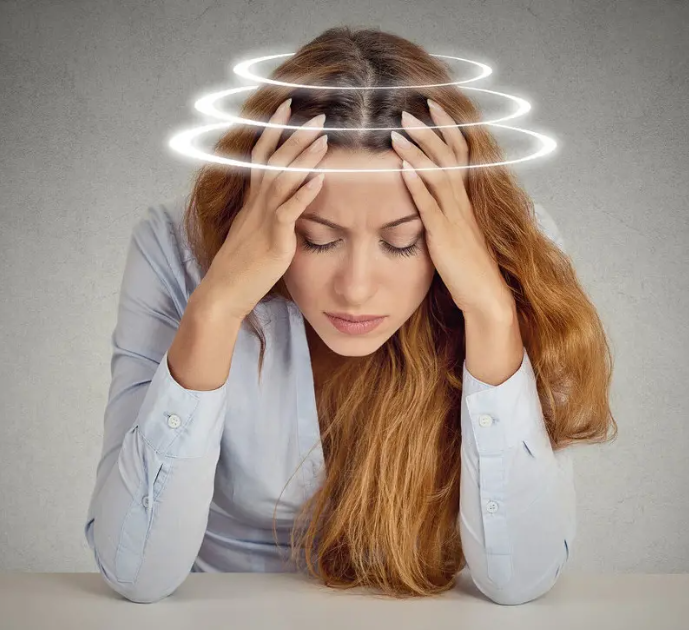
Figure 3 shows the classification of hazard caused by light strobe in the IEEE PAR 1789-2015 Draft Hazard Assessment Draft Potential Health Effects of LED Lighting Flicker. The green area is the imperceptible area (no hazard area), the yellow area is the low risk area, and the white area is the hazardous area. The discernable limit of the human eye is about 60Hz, which means that it is difficult to distinguish 60Hz, 100Hz and 3000Hz light frequencies by vision. A large number of studies have pointed out that long-term exposure to harmful light strobe environment can lead to eye fatigue, visual decline, dizziness, nausea and nervous system damage.
Since both incandescent and fluorescent lamps work directly at power frequency, their luminous frequency is about 100Hz (see FIG. 4 for the waveform), and the upper limit standard for no harm to the fluctuation depth at this frequency is set as 3.3%. Only rely on tungsten filament heating incandescent lamp or fluorescent light powder is difficult to meet this requirement.
When the LED is not dimmed, it is driven by constant current, so there is no stroboscopic problem. When dimming, the strobe can be controlled below 3.3% through PWM and other control methods to achieve strobe safety. Therefore, the stroboscopic hazard is a big problem for the traditional light source, but there is no stroboscopic hazard problem for LED products.
 On the other hand, leds can achieve better color restoration and reduce visual fatigue due to their easy dimming and the ability to integrate multiple chips into one lamp. Therefore, compared with the traditional light source, LED has more advantages in stroboscopic damage control, color reduction degree and other aspects, but also more energy saving and environmental protection. Therefore, as long as the design is reasonable and scientific, as the artificial light source of health lighting, LED lighting will be the best choice.
Scientific research has found that light as one of the main driving forces of the circadian system of the human body, whether natural sunlight or artificial light source, will trigger a series of physiological rhythm responses. Light affects human health to varying degrees through visual and non-visual effects. Therefore, it is of great practical significance to advocate "healthy lighting" and improve light quality and comfort.
Alleged HEALTH ILLUME, PASS ILLUME NAMELY, IMPROVE AND RAISE THE CONDITION THAT PEOPLE WORKS, STUDY, LIFE AND QUALITY, PROMOTE PSYCHOLOGY AND PHYSIOLOGICAL HEALTH.
The solar spectrum is the healthiest spectrum. The solar spectrum mainly includes ultraviolet, visible and infrared spectra. Ultraviolet light has the effect of sterilization and disinfection. It can kill mites and other microorganisms or pathogens, promote the synthesis of vitamin D, prevent and treat rickets and cartilage, prevent osteoporosis in the elderly, have anti-inflammatory and analgesic effects, promote local blood circulation, regulate immunity and other effects; Infrared has a good therapeutic effect in human tissue metabolism, blood circulation, human immune function enhancement and so on. At the same time for muscle spasm, muscle strain, soft tissue injury, body tissue swelling has a therapeutic effect.
So-called HEALTHY ILLUMINATION BASICALLY IS TO POINT TO THE ARTIFICIAL LIGHT SOURCE SPECTRUM THAT IS USED FOR ILLUMINATION SHOULD BE AS CLOSE AS POSSIBLE TO THE SUN VISIBLE SPECTRUM (NAMELY IMITATE NATURAL LIGHT ILLUMINATION), ILLUMINATION MUST SATISFY THE FUNCTIONAL REQUIREMENT OF THE PLACE AND THE PSYCHOLOGICAL REQUIREMENT OF PEOPLE. It requires not only the comfort of lighting, but also the harmony of color temperature, brightness, light and shadow to meet people's psychological emotions. On the basis of high color rendering index, the relative energy of blue light (R12) is reduced to prevent the harm of blue light. Increase the relative energy of red light (R9) to promote physical and mental health.
Blu-ray problem
People generally attribute the reasons to two aspects, one is the children's homework pressure, excessive use of eyes; The other is spending too much time in front of gadgets like phones and tablets. Two factors cause eye fatigue in adolescents, resulting in decreased eye adjustment ability, and then induce eye diseases.
According to CIE's research report published in 2002 (CIE S 009/E:2012), blue light can cause photochemical damage to the retina, mainly concentrated in retinal pigment inner epidermal cells, and form arcs and blind spots on the retina. The reason the eye can see is because rods and cones are distributed in the retina. At the axial end of the retina, there is a place called the fovea, which is the most acute and cell-rich area of vision. It is yellow because it is rich in lutein. Normally, with age, macular foveal aging causes visual decline.
However, under long-term blue light irradiation, excessive blue light directly enters the retina and produces a large number of free radicals, which accelerates the oxidation of the macular concave, and eventually leads to the death of a large number of visual cells in the macular concave, and this damage cannot be repaired by itself.
In April 2018, the Institute for Global Health (ISGlobal) in Barcelona, Spain, reported that the more time spent in blue light at night, the more disrupted the body's rhythm, leading to an increased risk of breast and prostate cancer. The findings "assessed the association between night exposure to artificial lighting and the risk of breast and prostate cancer in Spain. It must be emphasized that any band of the spectrum as long as the excess is harmful.
Artificial light sources of choice for healthy lighting
Figure 3 shows the classification of hazard caused by light strobe in the IEEE PAR 1789-2015 Draft Hazard Assessment Draft Potential Health Effects of LED Lighting Flicker. The green area is the imperceptible area (no hazard area), the yellow area is the low risk area, and the white area is the hazardous area. The discernable limit of the human eye is about 60Hz, which means that it is difficult to distinguish 60Hz, 100Hz and 3000Hz light frequencies by vision. A large number of studies have pointed out that long-term exposure to harmful light strobe environment can lead to eye fatigue, visual decline, dizziness, nausea and nervous system damage.
Since both incandescent and fluorescent lamps work directly at power frequency, their luminous frequency is about 100Hz (see FIG. 4 for the waveform), and the upper limit standard for no harm to the fluctuation depth at this frequency is set as 3.3%. Only rely on tungsten filament heating incandescent lamp or fluorescent light powder is difficult to meet this requirement.
When the LED is not dimmed, it is driven by constant current, so there is no stroboscopic problem. When dimming, the strobe can be controlled below 3.3% through PWM and other control methods to achieve strobe safety. Therefore, the stroboscopic hazard is a big problem for the traditional light source, but there is no stroboscopic hazard problem for LED products.
On the other hand, leds can achieve better color restoration and reduce visual fatigue due to their easy dimming and the ability to integrate multiple chips into one lamp. Therefore, compared with the traditional light source, LED has more advantages in stroboscopic damage control, color reduction degree and other aspects, but also more energy saving and environmental protection. Therefore, as long as the design is reasonable and scientific, as the artificial light source of health lighting, LED lighting will be the best choice.